
Core Principle
The performance of any system depends on very few elements — its constraints. By identifying and managing these constraints, we achieve significant improvements in results rapidly and sustainably.
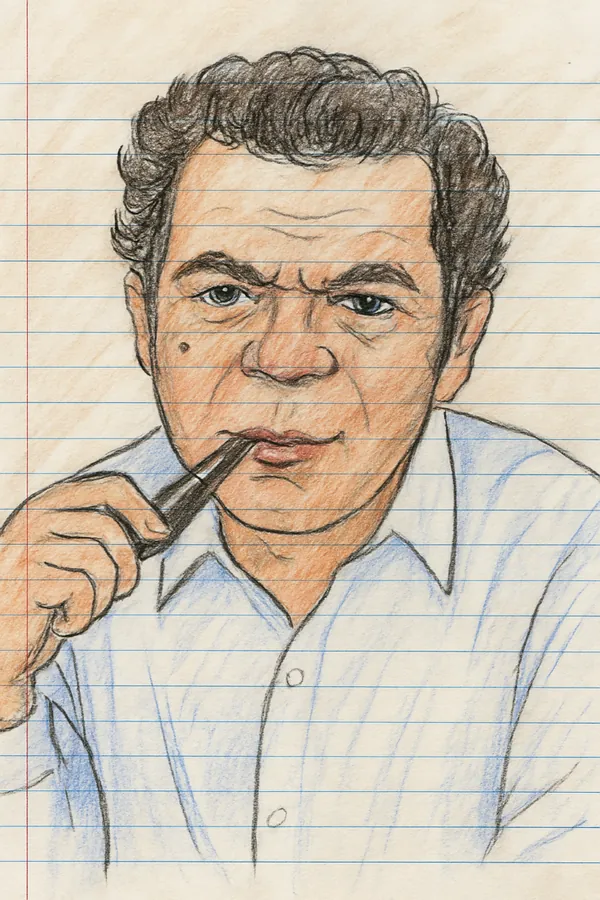
Dr. Eliyahu M. Goldratt
Dr. Eliyahu Goldratt is recognized worldwide as a scientist, mentor and business leader. He is the creator of the Theory of Constraints (TOC) — a methodology that has transformed the way organizations manage their processes and resources.
His book "The Goal" has sold millions of copies worldwide and is considered one of the most influential business books ever written.
TOC has been successfully applied across various fields:
- Manufacturing and industry
- Healthcare
- Government administration
- Education
An Example of the TOC Approach
Theory of Constraints uses five focusing steps for continuous improvement.
1. Identify the Constraint
Determine which element of the system limits its overall performance. This could be a machine, a process, a policy or a resource.
2. Exploit the Constraint
Make the most of the constraint's capacity without additional investment. Ensure it is never idle.
3. Subordinate Everything Else
Synchronize all other processes to the pace of the constraint. Do not produce more than the constraint can process.
4. Elevate the Constraint
If the previous steps are not sufficient, invest in increasing the capacity of the constraint.
5. Repeat the Process
Once the constraint has been overcome, identify the next constraint and start again. Do not let inertia become a constraint.
These five steps can lead to a 30-100% increase in capacity within days, without additional investment.
Apply TOC in Your Business
Explore our business solutions based on Theory of Constraints and find out how they can transform your organisation.
View Business Solutions